

The Biggest Myth About Solar Screens (And Why They’re Not Just for Summer)
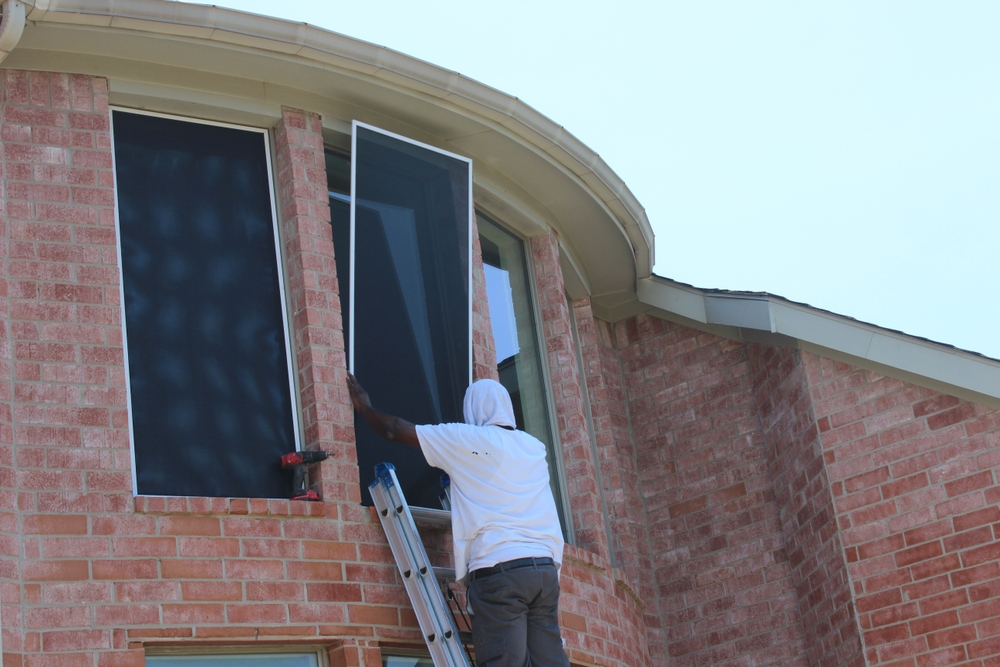
If you have ever looked into upgrading your windows for better energy efficiency, you have probably come across solar screens. Maybe a neighbor installed them, or you saw an ad promising lower energy bills during a scorching summer. But somewhere along the way, a stubborn myth took hold, and it has been misleading homeowners ever since. The idea that solar screens are only useful in hot weather is one of the most persistent solar screen myths out there, and it is costing people real money by leading them to either remove their screens in the fall or skip the investment altogether.
The truth is that energy efficient solar screens work hard for your home in every season, including the ones where temperatures drop and your heating bill climbs. If you have been on the fence about installing them, or if you pulled yours down last October, this post is for you.
What Solar Screens Actually Do
Before we dismantle the myth, it helps to understand what solar screens are actually doing when they are mounted on your windows. Solar screens are made from a tightly woven mesh material, typically polyester coated in PVC, designed to intercept solar radiation before it ever reaches your glass. They reduce glare, block a significant percentage of UV rays, and cut down on the heat that transfers through your windows into your living space.
Most quality solar screens block somewhere between 65 and 90 percent of solar energy, depending on the density of the weave. That means less heat entering your home during the day, which reduces the workload on your air conditioning system. That part, most people already know. What they do not realize is that the same physical properties that make solar screens effective in July also make them valuable in January.
The mesh material creates a buffer zone between the outside air and your window glass. That buffer, thin as it may seem, disrupts the direct transfer of cold air to your glass surface, which matters more than most homeowners think.
The Winter Window Problem Nobody Talks About
Here is something worth understanding about winter heat loss: windows are one of the primary culprits. According to the U.S. Department of Energy, heat loss and gain through windows accounts for 25 to 30 percent of residential heating and cooling energy use. During winter, cold air pressing against your window glass chills the interior glass surface, which then radiates cold into your room and creates drafts near window areas.
This is where solar screens in winter actually earn their keep. When a solar screen is installed on the exterior of a window, it acts as a windbreak. It slows the movement of cold air directly against the glass. Less wind contact means less rapid chilling of the glass surface. The result is that your interior glass stays slightly warmer, your room loses heat more slowly, and your furnace does not have to compensate as aggressively.
This is not the same as heavy-duty winter window insulation like thermal curtains or interior window film, but it is a meaningful contribution. Think of it as the first line of defense in a layered approach to keeping your home comfortable when temperatures fall. Year-round solar screens are not replacing your insulation strategy; they are adding to it in a way that requires zero extra effort from you once they are installed.
Debunking the “Block the Sun in Winter” Concern
The most common pushback against keeping solar screens up in winter goes something like this: “But I want the sun to come in and warm my house during winter. Why would I block it?”
It is a fair question, and it gets at the heart of the most believable version of the solar screen myths that circulate online and in home improvement forums. Passive solar heating, where sunlight enters through windows and naturally warms your interior, is a real and valuable phenomenon. So does keeping your screens up eliminate that benefit?
Not really, and here is why. Solar screens reduce solar heat gain, but they do not eliminate it. A screen with a 80 percent solar rejection rate still allows 20 percent of solar energy through. On a clear winter day when the sun is streaming in at a low angle, you are still getting meaningful passive warmth through a screened window. You are simply getting it in a more filtered, controlled way.
Furthermore, the windbreak benefit described above often offsets or exceeds what you might gain by removing the screen entirely. A bare window that lets in full sun but also rapidly loses heat to cold exterior air may actually perform worse overall than a screened window that filters some sun but holds heat more effectively throughout the day and night.
The balance will vary depending on your climate, your window orientation, and the specific screen you have installed. But the blanket assumption that screens must come down in winter is simply not supported by the physics involved.
Year-Round Value: The Energy Savings Picture
When you start thinking about solar screens as a year-round investment rather than a seasonal accessory, the financial case becomes much stronger. Energy efficient solar screens contribute to your home’s thermal performance in summer by reducing cooling loads and in winter by reducing heat loss at the window surface. That means you are getting value from the product every single month it is installed.
Studies and energy modeling done by various utility companies and building science organizations have consistently shown that exterior solar shading devices, including screens, can meaningfully reduce annual energy consumption. Some estimates put the cooling savings alone at 10 to 25 percent for well-shaded windows in hot climates. Add in the winter performance improvements and you are looking at a product that pays for itself over time regardless of the season.
For homeowners in mild climates like much of California, Texas, Arizona, and Florida, the case is even stronger. Winter window insulation is less of a concern in these regions, but the winter windbreak benefits still apply, and the screens continue protecting your interior from UV damage year-round. Fading furniture, flooring, and artwork is not a seasonal problem; it happens whenever sunlight enters your space, including during winter months when the sun sits lower in the sky and can penetrate deeper into your rooms.
This is another layer of value that often goes unmentioned in the seasonal-screen conversation. UV protection does not take a winter break, and neither should your screens.
How to Choose the Right Screen for Year-Round Performance
Not all solar screens perform equally across seasons. If you want to maximize year-round benefits, there are a few things worth considering when selecting a product.
Screen density matters significantly. A denser weave, typically rated at 80 to 90 percent solar rejection, offers more protection and a stronger windbreak effect, but it also reduces your view and the amount of natural light entering your home. A 65 percent screen is a common middle-ground choice that balances solar control with visibility and still offers solid year-round performance.
Color is also a factor. Darker screens, particularly charcoal and black options, tend to offer better outward visibility while maintaining strong solar control. Lighter screens reflect more heat, which is great in summer but may reduce the passive solar benefit slightly in winter.
Frame fit is critical regardless of season. A poorly fitted screen with gaps around the edges undermines both the solar blocking function and the windbreak function. Professionally fitted screens with tight frame contact will always outperform DIY installations with visible gaps.
Finally, consider the orientation of your windows. South-facing windows receive the most direct winter sun, so if you are concerned about passive solar heating, those may be the windows where you experiment with a lighter-density screen. East and west-facing windows are less critical for winter solar gain and benefit strongly from year-round screen coverage.
Conclusion
The idea that solar screens are a summer-only tool is one of the most costly solar screen myths a homeowner can believe. Year-round solar screens provide genuine benefits across every season, from reducing cooling loads in summer to acting as a windbreak and UV shield during winter months. Energy efficient solar screens are an investment in your home’s comfort and efficiency, not just a seasonal decoration. Before you pull them down this fall, consider what you might actually be giving up.