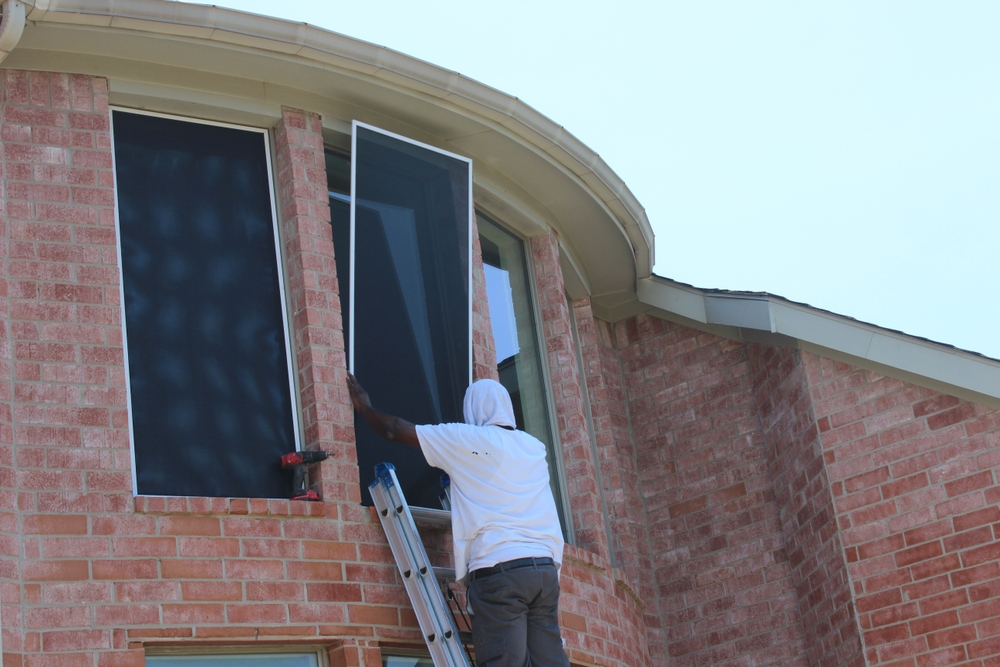
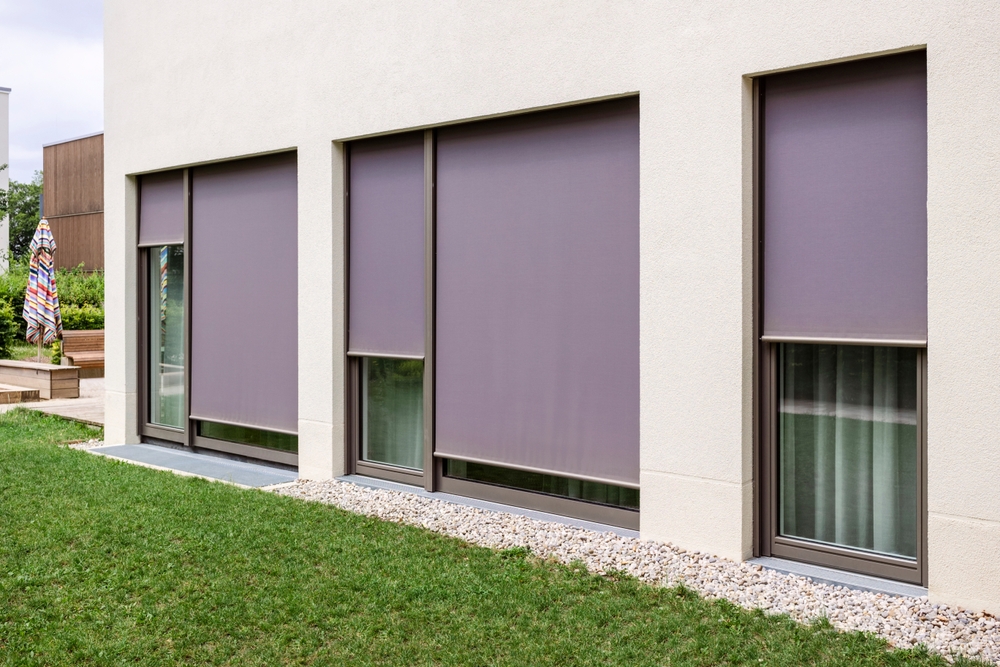
Pahrump summers put windows to the test. With intense sunshine, long stretches of hot weather, and limited natural shade around many properties in the valley, solar heat entering through glass can make rooms noticeably less comfortable and increase the workload on cooling systems.
Solar screens are designed to reduce the amount of solar heat reaching window glass while still allowing light and outward visibility. For Pahrump property owners, they can be a practical way to improve comfort in rooms that receive strong sun without replacing otherwise functional windows.
Quick answer: Solar screens help reduce heat gain by intercepting sunlight before much of that solar energy reaches the window glass. They can be especially useful on west- and south-facing windows exposed to strong Nevada sun. Results vary based on window orientation, existing glass, screen material, shade, and the amount of direct sunlight the opening receives.
What local property owners should know
Solar screens work outside the glass, helping reduce solar exposure before it enters the building.
West-facing windows can be particularly challenging during hot Pahrump afternoons because they receive direct sun later in the day.
Homes with little exterior shade may have more to gain from solar-control improvements than heavily shaded properties.
Solar screens can reduce glare as well as heat, which may improve comfort in living rooms, offices, and other frequently used spaces.
The right solution depends on the individual window, its orientation, and the property’s comfort goals.
Why Do Solar Screens Matter in Pahrump?
Solar screens matter in Pahrump because strong desert sunlight can create significant heat gain through exposed windows, particularly during the warmer months. Reducing that solar exposure can make sun-facing rooms more comfortable and may reduce some of the cooling demand created by heat entering through the glass.
Pahrump sits in the Mojave Desert, where abundant sunshine, dry conditions, and limited shade are familiar parts of daily life. Properties throughout the Pahrump Valley, including those near Nevada State Route 160 and toward the Spring Mountains, can have windows exposed to direct sun for hours.
The problem can become especially noticeable in rooms with larger glass areas. A window that provides great natural light during cooler months may become a major source of unwanted heat as summer conditions intensify.
Pahrump Valley Glass works with local glass and window needs in this environment. When we evaluate solar screen options, the goal is to consider the actual opening and exposure rather than assume every window needs the same solution.
What Do Local Conditions Tell Us About Window Heat?
Local conditions show that solar exposure should be considered window by window because orientation, shade, glass area, and surrounding structures can substantially change how much heat a room experiences. A west-facing opening with little shade may behave very differently from a similar window protected by a porch or neighboring structure.
For homeowners in the Pahrump Valley, useful observations include when a room becomes uncomfortable, where glare occurs, and which windows receive direct sunlight during the hottest part of the day.
Those are field observations rather than measurements of a particular home’s energy performance. Actual heat reduction depends on the screen product, installation, window construction, and conditions at the property.
How Can Solar Heat Affect a Pahrump Home?
Solar heat can affect a Pahrump home by creating hot rooms, uncomfortable areas near windows, glare, and uneven temperatures from one side of the house to another. These effects can be especially noticeable when direct afternoon sunlight strikes large areas of exposed glass.
A room facing west may feel comfortable earlier in the day and considerably warmer later in the afternoon. That temperature difference can encourage occupants to lower the thermostat even when other rooms already feel cool.
Strong sunlight can also create glare on televisions and computer screens. For home offices and living spaces, controlling sunlight may therefore improve usability as well as temperature comfort.
What Are the Signs That Solar Screens May Help?
Solar screens may be worth considering when discomfort or glare consistently corresponds with direct sunlight entering particular windows. The clearest clues usually appear during sunny afternoons rather than during cloudy periods or after sunset.
Watch for these signs:
Rooms become noticeably hotter when direct sunlight reaches the windows.
West-facing rooms are uncomfortable during late afternoons.
Strong glare makes televisions or computer screens difficult to view.
Areas immediately beside windows feel much warmer than the rest of the room.
Blinds or curtains remain closed for much of the summer to control sunlight.
The cooling system is running while sun-exposed rooms still feel warmer.
Large windows receive hours of direct desert sun with little exterior shade.
These signs do not automatically mean the windows themselves are defective. They may simply indicate that solar exposure is contributing to the comfort problem.
When Should You Call a Professional About Solar Screens?
A professional evaluation makes sense when you want to determine which windows are good candidates for solar screens, need accurate sizing, or are deciding between solar screens and other glass or window solutions. An evaluation can also help distinguish solar heat gain from problems involving damaged glass or window components.
Homeowners can safely start by observing their property. Note which windows receive morning and afternoon sun, which rooms become hottest, and whether exterior features already provide shade.
Professional help becomes more useful when it is time to select materials, confirm measurements, evaluate existing windows, or install screens properly. If glass is cracked, damaged, or showing other problems, that issue should be evaluated separately rather than treated as a solar-screen problem.
What Commonly Causes Excessive Window Heat in the Pahrump Valley?
Excessive window heat in the Pahrump Valley commonly results from direct desert sun, window orientation, large areas of exposed glass, and limited exterior shade. Several of these conditions often occur together, making certain rooms much more affected than others.
1. West-facing exposure: Afternoon sun can strike windows directly when outdoor conditions are already hot.
2. South-facing exposure: Depending on season and surrounding shade, these windows can receive substantial sunlight.
3. Limited landscaping or structural shade: Open desert lots may leave windows exposed for extended periods.
4. Large glass areas: More exposed glass creates a larger surface through which solar energy can affect the interior.
5. Existing window characteristics: Different glass and window assemblies manage solar energy differently, so the existing window should be considered before choosing an improvement.
How Can Homeowners Manage Solar Heat?
Homeowners can manage solar heat by identifying their highest-exposure windows first and combining appropriate exterior solar control with sensible interior shading and routine window maintenance. In Pahrump, prioritizing the openings that receive sustained afternoon sun can be more practical than treating every window identically.
Walk around the property at different times on a sunny day. Notice where direct sun hits the glass and where roof overhangs, patios, trees, or neighboring structures provide shade.
Keep screens and windows reasonably clean so you can spot damage or deterioration. Check screen frames periodically for looseness or visible wear, particularly after windy or dusty conditions common around the valley.
Interior blinds and curtains can help with glare and privacy, but solar screens work from the exterior side of the window. Homeowners deciding between different approaches should consider comfort, daylight, visibility, appearance, and the condition of the existing window.
What Results Can You Expect From Solar Screens?
Solar screens can reasonably be expected to reduce solar exposure through treated windows and improve comfort in rooms affected by direct sunlight. They may also reduce glare, although the amount of improvement varies with the screen material, window orientation, existing glass, and surrounding shade.
They should not be treated as a guaranteed solution to every cooling problem. Poor insulation, air leakage, HVAC issues, or other building conditions can also cause uncomfortable rooms.
A properly selected solar-control solution addresses one specific part of the problem: sunlight reaching the window.
What Mistakes Should Pahrump Homeowners Avoid?
Pahrump homeowners should avoid assuming that every hot room needs the same solar-screen solution. Identifying the source and direction of the heat first makes it easier to focus improvements where they are likely to be most useful.
Mistake: Treating every window equally. Consequence: Money may be spent on openings that receive relatively little direct sun. Better approach: Prioritize the windows with the strongest exposure.
Mistake: Ignoring orientation. Consequence: The windows causing late-day discomfort may not receive enough attention. Better approach: Observe the home during morning and afternoon hours.
Mistake: Assuming screens solve every temperature problem. Consequence: Other causes of poor comfort can go unaddressed. Better approach: Consider windows alongside insulation, shading, and cooling-system performance.
Mistake: Choosing solely by appearance. Consequence: The selected option may not match the desired balance of shade, visibility, and daylight. Better approach: Discuss performance and comfort goals before choosing a screen.
What Is a Common Solar-Heat Scenario in Pahrump?
A common local scenario is a home where one or two west-facing rooms become uncomfortable late in the day while the rest of the house remains relatively comfortable. Direct sunlight reaches the glass for several hours, creating glare and noticeable warmth near the windows.
In a situation like this, the first step is identifying whether solar exposure closely tracks the discomfort. If it does, exterior solar screens may be one option worth evaluating for those specific openings.
This is a common scenario, not a description of a particular customer or project.
Which Services Can Address Solar Heat Through Windows?
Services that address solar heat should focus on the specific window, its existing condition, and the property’s goals for comfort, light, and visibility. Solar screens may be suitable when the primary concern is direct sunlight, while damaged or problematic glass may require a different window or glass service.
We can help property owners evaluate their windows and explore appropriate options based on the openings involved.
Solar screens differ from interior shades because they intercept sunlight on the exterior side of the glass, while curtains and blinds primarily manage light after it has reached the window area. Window or glass upgrades can address additional performance concerns but involve a different scope of work.
Interior coverings remain useful for privacy and adjustable light control. Exterior shading from awnings, porches, or landscaping can also be effective where the property allows it.
For a Pahrump homeowner primarily concerned with intense sunlight through otherwise serviceable windows, solar screens can offer a focused solution without automatically moving to full window replacement.
Where Are Solar Screen Services Relevant Locally?
Solar screen solutions can be relevant throughout Pahrump and surrounding parts of the Pahrump Valley where homes and businesses have windows exposed to strong desert sunlight. Properties toward Charleston Peak and the Spring Mountains may have different shading conditions than more open areas of Nye County.
The best approach is based on the individual property rather than the ZIP code alone.
What Can Happen If Excessive Solar Heat Is Ignored?
Ignoring excessive solar heat can leave rooms uncomfortable, increase glare, and cause occupants to compensate by adjusting the thermostat or keeping interior coverings closed. In the desert climate around Pahrump, those compromises can continue through a substantial portion of the warmer season.
The appropriate response does not need to be complicated. Start by identifying the windows most closely associated with the problem, then determine whether exterior solar control is a practical improvement.
Yes, solar screens can reduce solar heat reaching the glass on windows where they are installed. They are particularly relevant for Pahrump homes with strong direct sun exposure. The actual improvement depends on factors such as screen material, window orientation, existing glass, shading, and the size of the exposed opening.
Which windows benefit most from solar screens in Pahrump?
Windows receiving substantial direct sunlight are generally the strongest candidates for solar screens. In Pahrump, west-facing windows deserve particular attention because afternoon sunlight can coincide with high outdoor temperatures. South-facing openings may also benefit depending on seasonal sun angles, roof overhangs, landscaping, and other sources of shade.
Can solar screens help with Nevada desert glare?
Yes, solar screens can help reduce glare caused by intense sunlight entering through windows. This can make living rooms, bedrooms, and home offices more comfortable during bright Nevada days. The amount of glare reduction varies by screen material, so visibility and desired light levels should be considered when selecting an option.
Should every window on a Pahrump home get a solar screen?
No, every window does not necessarily need a solar screen. Pahrump homeowners can first identify which openings receive the strongest direct sunlight and which rooms experience the most discomfort. Windows already shaded by patios, overhangs, landscaping, or nearby structures may have different needs from fully exposed windows.
Are solar screens useful for businesses in the Pahrump Valley?
Yes, solar screens may be useful for Pahrump Valley businesses where direct sunlight creates heat or glare through exposed windows. Offices, waiting areas, and other occupied spaces can be affected by intense desert sun. Suitability depends on the building, window configuration, desired visibility, appearance, and existing glass.
Do solar screens replace damaged windows?
No, solar screens are not a substitute for repairing damaged glass or addressing problems with the window itself. If a window is cracked or has another visible defect, that condition should be evaluated separately. Solar screens primarily address solar exposure rather than structural or mechanical window problems.
Can solar screens lower cooling costs in Nye County?
Solar screens can reduce one source of cooling demand by limiting solar heat through treated windows, but specific energy-cost savings should not be assumed without evaluating the property. Cooling costs in Nye County can also be affected by insulation, HVAC efficiency, thermostat settings, air leakage, building design, and electricity usage patterns.
When is a good time to consider solar screens in Pahrump?
Solar screens can be considered whenever direct sunlight is causing recurring heat or glare problems, ideally before those problems become most noticeable during hotter weather. Observing rooms during sunny afternoons can help Pahrump property owners identify priority windows and decide where professional measurements or recommendations would be useful.
Improve Comfort Where Desert Sun Hits Hardest
Solar screens offer Pahrump property owners a targeted way to address heat and glare from exposed windows without assuming every opening requires the same treatment. We can help evaluate your windows and discuss solar screen options suited to your property and its sun exposure.
Living in Pahrump means enjoying wide desert views and plenty of sunshine, but that same desert environment can make windows a major source of unwanted heat and pest entry. Hot summer afternoons, blowing dust, insects, and the desire for fresh air can all affect how comfortable your home feels.
Bug screens and solar screens address different parts of the problem. Bug screens help keep insects outside while allowing ventilation, while solar screens are designed to reduce the amount of direct solar heat reaching the glass. Choosing the right screen can make windows more practical during Southern Nevada’s long warm season.
Quick answer: Bug screens are primarily designed to keep flies, mosquitoes, moths, and other insects from entering through open windows and doors. Solar screens add another layer of protection by reducing solar exposure before it reaches the window glass. For Pahrump homeowners dealing with strong desert sun, high temperatures, and seasonal pests, the right combination can improve comfort without requiring windows to stay closed all year.
What local homeowners should know
Bug screens provide a physical barrier against insects while still allowing outside air to move through an open window.
Solar screens can reduce the amount of direct sunlight reaching windows, which is especially useful on sun-exposed sides of Pahrump homes.
Southern Nye County regularly experiences extreme heat, dry conditions, wind, and blowing dust, so screen materials and frames need to withstand more than insects alone.
Damaged mesh, loose frames, and gaps around screen edges can reduce pest protection even when most of the screen still looks intact.
The best screen choice depends on the window’s location, sun exposure, ventilation needs, and the homeowner’s priorities.
Why Bug and Solar Screens Matter in Pahrump
Bug and solar screens matter in Pahrump because desert homes must manage intense sunlight, seasonal insects, dust, and ventilation at the same openings. Windows facing strong afternoon sun can receive significant solar exposure, while opening those windows without intact screens creates an easy route for pests.
The National Weather Service has documented both extreme heat and blowing-dust conditions in the Pahrump area. Recent local observations have included temperatures above 100°F during summer heat events, along with periods of strong winds and patchy blowing dust.
Those conditions make window screens more than a cosmetic accessory. Homeowners near central Pahrump, properties along State Route 160, and homes throughout the broader Pahrump Valley may all benefit from choosing screens around the way each window is actually exposed.
Pahrump Valley Glass serves local property owners who need practical window and screen solutions. From this point forward, we focus on helping homeowners choose options that fit the opening, exposure, and intended use without making promises about results that depend on the individual home.
Local Data and Field Conditions
Local weather conditions show that Pahrump homes regularly face heat, wind, and airborne dust that can affect exterior window components. The National Weather Service Las Vegas office monitors Southern Nye County and has issued advisories affecting the area for extreme heat, strong winds, and blowing dust.
For screens, these conditions matter because mesh and frames remain exposed to sunlight and weather throughout the year. A screen installed on a protected north-facing window may experience very different conditions from one mounted on a west-facing opening that receives intense afternoon sun.
That is why we recommend evaluating screens by location rather than assuming every window needs exactly the same solution.
How Screens Affect Comfort and Pest Control
The right screens can improve comfort by controlling what reaches an open or sun-exposed window before it enters the living space. Bug screens focus on pest exclusion, while solar screens focus more heavily on reducing direct solar exposure.
A standard insect screen can make it easier to use natural ventilation during comfortable mornings and evenings without inviting insects inside. A solar screen can be particularly useful on windows where direct sunlight contributes to glare or makes the area near the glass noticeably warmer.
Screens do not replace air conditioning, insulated glass, or other efficiency improvements. Instead, they can complement those systems by addressing conditions directly at the window.
Warning Signs Your Window Screens Need Attention
Screen problems are usually visible before complete failure, and catching them early can help preserve both pest protection and appearance. Pahrump homeowners should inspect screens periodically, especially after windy weather and before the hottest months.
Watch for:
Holes or tears in the mesh, even when they appear small.
Mesh that has pulled away from the frame at a corner or edge.
Bent, warped, or loose screen frames.
Screens that no longer sit securely inside the window opening.
Gaps around the perimeter where insects can enter.
Brittle or visibly deteriorated mesh after prolonged sun exposure.
Missing screens on windows you would otherwise like to open.
Solar screens that no longer fit correctly or have sustained physical damage.
When to Call a Professional
Professional screen service makes sense when the frame is damaged, the screen does not fit correctly, or you want to change from standard insect screening to a solar-screen solution. Small maintenance checks can be handled by homeowners, but accurate sizing and secure installation become more important when a screen must be repaired or replaced.
You can safely check for holes, loose corners, damaged spline, and obvious frame problems yourself. Cleaning accessible screens can also help remove accumulated desert dust.
If a frame is twisted, a replacement needs to be fabricated, or you are unsure which screen material fits the window and exposure, professional evaluation can help avoid a poor fit.
Common Causes of Screen Problems in the Pahrump Valley
The most common local causes of screen wear are sunlight, wind, dust, physical damage, and normal aging. Each can affect how well a screen continues to protect the opening.
1. Strong desert sunlight: Windows with prolonged southern or western exposure receive substantial sun, which can gradually weather exterior materials.
2. Wind: Southern Nye County periodically experiences strong winds. Wind can stress loose screens and may carry debris into exposed mesh.
3. Blowing dust: Dry desert surfaces and windy conditions can produce airborne dust around the valley, leaving screens dirty and reducing their appearance.
4. Physical impact: Pets, children, landscaping work, and objects near windows can tear mesh or bend lightweight frames.
5. Normal material aging: Even a well-installed screen eventually experiences wear from years of outdoor exposure.
How to Maintain Bug Screens and Solar Screens
Regular inspection and gentle cleaning are the most practical ways to maintain screens in Pahrump’s desert environment. A simple seasonal routine can help identify small problems before a screen becomes unusable.
Check screens in spring before insect activity and summer heat become more noticeable. Look again after periods of high wind or blowing dust. Remove loose dirt carefully rather than aggressively scrubbing or pushing against the mesh.
Homeowners can also check whether screens remain firmly seated in their openings. If a screen rattles, bows, or has visible gaps, the frame or attachment points may need attention.
DIY maintenance should stop when removing the screen could create a fall risk, the frame is damaged, or replacement requires measurements or fabrication you are not comfortable performing.
What Results Can You Expect From New Screens?
New screens should provide a secure, properly fitted barrier that matches the purpose of the opening, whether that purpose is insect protection, solar control, or both. Results vary according to screen material, window orientation, shade, glass type, and the condition of the surrounding window.
A new insect screen can restore your ability to open a window without leaving an unprotected opening for pests.
A properly selected solar screen can reduce direct solar exposure at the glass and may make heavily sun-exposed windows more comfortable. It should be viewed as one component of a broader approach to desert-home comfort rather than a guaranteed substitute for other energy-efficiency measures.
Common Screen Mistakes Pahrump Homeowners Make
The most common screen mistakes involve choosing the wrong product, ignoring damage, or focusing on mesh while overlooking fit.
Mistake: Leaving a small tear unrepaired. Consequence: Insects only need a small opening to get past the screen. Better approach: Repair or replace damaged mesh before the opening becomes larger.
Mistake: Assuming every window needs the same screen. Consequence: A shaded opening and a west-facing window may have very different needs. Better approach: Choose screens according to sun exposure, ventilation, and pest-control priorities.
Mistake: Reusing a bent frame. Consequence: New mesh cannot compensate for gaps created by a frame that no longer fits. Better approach: Evaluate the complete screen assembly.
Mistake: Forgetting about wind exposure. Consequence: A poorly secured screen can loosen during windy desert conditions. Better approach: Make sure screens fit and attach correctly.
A Common Pahrump Home Scenario
A common Pahrump scenario is a homeowner with strong afternoon sunlight on one side of the house who also wants to open windows during cooler mornings. Standard glass may allow substantial sun through during the afternoon, while leaving the window open without a screen creates an opportunity for insects to enter.
In that situation, the homeowner might compare conventional bug screening with a solar-screen option for the most exposed windows rather than automatically treating every opening identically.
This is a representative local scenario, not a specific customer case study.
Related Screen and Glass Solutions
The most relevant solutions include insect-screen repair or replacement, solar-screen options, and evaluation of the underlying window when comfort problems extend beyond the screen itself. Our goal is to match the solution to what is actually causing the problem.
If your existing mesh is torn but the frame remains serviceable, a screen repair may be appropriate. When the frame is damaged or no longer fits, replacement may make more sense. Homes experiencing strong solar exposure may benefit from discussing solar-screen options for specific windows.
Bug screens and solar screens serve different primary purposes, so the better option depends on whether pest control, solar exposure, or a combination of both is the priority.
Option
Primary Purpose
Best Fit
Bug screen
Helps keep insects outside while allowing airflow
Windows regularly opened for ventilation
Solar screen
Reduces direct solar exposure while also covering the opening
Windows receiving substantial desert sun
Screen repair
Restores damaged mesh when appropriate
Existing screens with repairable components
Screen replacement
Restores the complete screen assembly
Bent, damaged, missing, or poorly fitting screens
For a Pahrump home with several different window orientations, combining screen types based on exposure may be more practical than choosing one material for every opening.
Service Areas Around Pahrump
Our screen and glass services are centered on Pahrump and the surrounding Pahrump Valley in Nye County. Property owners throughout the local valley can contact us to discuss screen options appropriate for Southern Nevada’s desert conditions.
What Happens If Damaged Screens Are Ignored?
Ignoring damaged screens can lead to larger tears, easier pest entry, poor fit, and fewer opportunities to comfortably use natural ventilation. In Pahrump, an unrepaired screen can become especially inconvenient when you want fresh air during cooler desert mornings or evenings.
A damaged solar screen may also stop providing the level of coverage the homeowner originally intended.
Replacing or repairing problems before they become more extensive is usually more practical than waiting until the screen is missing, badly distorted, or no longer usable.
Yes. Bug screens create a physical barrier that helps prevent flying insects and other pests from entering through an open window. Their effectiveness depends on intact mesh and a proper fit around the entire frame, so holes, loose edges, and gaps should be repaired when noticed.
Do solar screens actually help with Pahrump heat?
Solar screens can help reduce the amount of direct solar energy reaching the window glass, which can be useful during Pahrump’s hot, sunny weather. The exact effect depends on the screen material, window orientation, surrounding shade, glass, and other characteristics of the home, so results vary by installation.
Should every window on a Pahrump home have a solar screen?
No. Solar screens are often most relevant for windows receiving significant direct sunlight, particularly where occupants notice glare or afternoon heat. Shaded or differently oriented windows may have different priorities. Evaluating each exposure individually can produce a more practical screen plan for a desert home.
Can I open my windows with bug screens installed?
Yes. Bug screens are specifically intended to allow ventilation while maintaining a barrier against insects. In the Pahrump Valley, this can be useful during cooler mornings and evenings when homeowners want outside air without leaving an entirely open pathway for flies, moths, or other pests.
How often should screens be inspected in Southern Nye County?
Screens should be checked periodically and after conditions that could cause damage, such as strong winds or blowing debris. A spring inspection before hotter weather is a practical starting point. Because Southern Nye County experiences sun, wind, and dust, exposed screens may need more attention than protected openings.
Can desert dust damage window screens?
Desert dust primarily accumulates on screens, but windblown particles and debris can contribute to general wear over time. National Weather Service forecasts for the Pahrump area periodically include blowing-dust conditions. Gentle cleaning and occasional inspection can help homeowners notice damage before it becomes significant.
Is a torn screen worth repairing or should I replace it?
Repair may be worthwhile when the frame is still straight, secure, and properly sized. Replacement may be better when the frame is bent, badly weathered, missing, or no longer fits the opening correctly. The condition of the entire screen assembly matters more than the size of the mesh tear alone.
Can solar screens replace energy-efficient windows?
No. Solar screens and energy-efficient windows address different aspects of window performance. Solar screens reduce exterior solar exposure, while the glass and window assembly influence insulation, air leakage, and other performance factors. If comfort problems persist even with exterior shading, the window itself may also deserve evaluation.
Keep Your Pahrump Home More Comfortable and Better Protected
The right screen can help a Pahrump home handle two familiar desert concerns: unwanted pests and intense sunlight. Keeping screens intact, properly fitted, and suited to each window’s exposure gives homeowners a simple way to make their windows more useful throughout the year.
Protect Your Windows From Pests and Desert Sun
Pahrump Valley Glass can help you evaluate screen options based on your home’s windows, condition, and exposure without assuming every opening needs the same solution.
If you live in the Mojave Desert or anywhere near Pahrump, NV, you already know what summer feels like from inside your home. The sun beats through your windows, your air conditioner runs constantly, and the glare makes it nearly impossible to enjoy the view you moved here for in the first place. Solar screen installation has become one of the most practical and cost-effective solutions for desert homeowners who want to stay cool without sacrificing natural light or their connection to the landscape outside.
But how exactly do solar screens work? And can they really block heat while keeping your view intact? The answer lies in the science behind the mesh, and once you understand it, the decision to invest in custom solar screens becomes an easy one.
The Science Behind Solar Screen Mesh
Solar screens are made from a tightly woven polyester or fiberglass mesh that is coated with PVC. This material is specifically engineered to intercept solar radiation before it passes through your window glass. When sunlight hits a solar screen, the mesh absorbs and reflects a significant portion of the solar energy, reducing the amount of heat that enters your home.
The openness factor of the mesh is what determines the balance between heat rejection and visibility. A screen with a 5% openness factor blocks more heat and UV rays but reduces outward visibility slightly more than a 10% mesh. For desert climates like Pahrump, NV, most homeowners opt for the tighter weave because the heat reduction benefits outweigh the minimal trade-off in view clarity.
What makes this technology impressive is that exterior sun shades for windows perform far better than interior blinds or curtains. Once solar energy converts to heat after passing through the glass, it is already inside your home. Exterior solar screens stop that energy before it ever reaches the glass, which is where the real efficiency gain happens.
How Solar Screens Block UV Rays and Protect Your Home
One of the most underappreciated benefits of solar screen installation is UV protection for home furniture. Ultraviolet rays are responsible for fading upholstery, wood floors, artwork, and anything else that sits near a sunny window. Over time, this damage adds up, and replacing furniture or refinishing floors is a significant expense.
High-quality solar screens can block up to 90% or more of incoming UV radiation depending on the mesh density and color you choose. Darker mesh colors, such as charcoal or black, tend to offer better outward visibility because they reduce glare and create contrast, while lighter colors reflect more heat but can slightly obscure the view. For desert homeowners, charcoal mesh in a tight weave tends to be the preferred choice for exactly this reason.
This UV protection for home furniture is not just about aesthetics. Prolonged UV exposure can degrade materials at a structural level, weakening fabrics and causing plastics to become brittle. Solar screens extend the life of everything inside your home while also protecting your skin during the hours you spend near sun-facing windows.
Keeping Your Desert View Intact
One of the biggest concerns homeowners raise about exterior sun shades for windows is whether they will feel like they are looking through a screen door all day. It is a fair concern, but the reality of modern solar screen technology is far more encouraging than most people expect.
When installed correctly, solar screens reduce glare so significantly that your view actually improves in many lighting conditions. The harsh midday glare that washes out the landscape and forces you to squint or close your blinds entirely is eliminated. What replaces it is a clear, toned-down version of the view outside, with colors appearing more natural and defined because the blinding contrast between bright sky and shadowed terrain is softened.
From outside looking in, solar screens do limit visibility into your home, which adds a layer of privacy during daylight hours. At night, when interior lights are on, the dynamic reverses. This is simply the nature of the technology, and for most homeowners it is an acceptable trade-off given the comfort and energy savings they gain throughout the day.
Custom solar screens are cut and fitted precisely to each window opening, which means there are no gaps where heat or UV rays can sneak in around the edges. This precision fit is part of what makes professional solar screen installation so much more effective than off-the-shelf products.
Solar Screen Installation in the Desert Climate
Desert climates present unique challenges for exterior sun shades for windows. The combination of intense UV exposure, high temperatures, wind, and occasional dust storms means that the materials used must be durable and the installation must be secure. Pahrump, NV and surrounding communities sit in one of the most demanding solar environments in the country, which makes choosing the right solar solutions critical.
When a professional handles your solar screen installation, they assess not just the window size but also the orientation of each window relative to the sun. South-facing and west-facing windows bear the heaviest solar load and benefit the most from tighter mesh weaves. East-facing windows may allow for a slightly more open weave if morning light and view quality are priorities for that particular room.
The frames used for custom solar screens in desert regions are typically made from aluminum, which resists corrosion and does not warp under extreme heat the way cheaper materials can. The screens are mounted on the exterior of the window frame, keeping them exposed to the elements rather than flush against the glass, which allows airflow between the screen and the window to further dissipate heat.
Proper installation also includes secure anchoring to handle desert wind events. Screens that are loosely attached can rattle, bend, or pull free during high-wind conditions, which not only damages the screen but can leave your windows unprotected during the hottest parts of the year. A professional installation accounts for all of this, ensuring your solar solutions perform reliably season after season.
The Energy and Cost Benefits of Custom Solar Screens
Beyond comfort and UV protection for home furniture, the financial case for solar screen installation is compelling. Cooling costs in desert communities like Pahrump, NV can represent a massive portion of a household energy budget during the summer months. When your air conditioner runs less because your home retains less heat, the savings accumulate quickly.
Studies on exterior sun shades for windows consistently show that properly installed solar screens can reduce solar heat gain through windows by anywhere from 50% to 80% depending on the mesh and orientation. That kind of reduction translates directly into lower air conditioning run times, less wear on your HVAC system, and a more consistent indoor temperature throughout the day.
Custom solar screens also add value to a home in a desert market. Buyers in regions like Pahrump, NV understand the value of energy-efficient upgrades, and exterior solar screens are visible, tangible proof that the home has been outfitted with practical solar solutions. Unlike some energy upgrades that are hidden inside walls or under floors, solar screens are immediately apparent and their benefits are something a potential buyer can experience the moment they walk through the front door on a hot afternoon.
The upfront cost of professional solar screen installation is typically recovered within a few cooling seasons when you account for reduced energy bills, extended furniture lifespan, and reduced HVAC maintenance costs.
Conclusion
Solar screens are one of the smartest investments a desert homeowner can make. They block heat, filter UV rays, protect your belongings, and preserve the view that makes desert living worthwhile. For anyone considering solar screen installation in Pahrump, NV or the surrounding region, custom solar screens offer a tailored solution that generic products simply cannot match. The right exterior sun shades for windows, professionally installed with the right mesh density for your specific exposure, can transform how your home feels every single day of the year.
Need Glass Experts in Pahrump, NV?
Welcome to Pahrump Valley Glass, your trusted glass and mirror experts since 2011. As a premier glass and mirror shop, we specialize in providing top-notch installations for a wide range of products. Our extensive inventory includes glass, mirrors, storefronts, shower glass, commercial doors, screens, bug screens, and solar screens. Our dedicated team ensures flawless installations and exceptional customer satisfaction. Whether you need a custom shower glass enclosure or high-quality commercial doors, we have the perfect solution to enhance your space. With keen attention to detail and a commitment to top-tier craftsmanship, Pahrump Valley Glass guarantees remarkable results for all your glass and mirror needs. Call us today!
If you have ever looked into upgrading your windows for better energy efficiency, you have probably come across solar screens. Maybe a neighbor installed them, or you saw an ad promising lower energy bills during a scorching summer. But somewhere along the way, a stubborn myth took hold, and it has been misleading homeowners ever since. The idea that solar screens are only useful in hot weather is one of the most persistent solar screen myths out there, and it is costing people real money by leading them to either remove their screens in the fall or skip the investment altogether.
The truth is that energy efficient solar screens work hard for your home in every season, including the ones where temperatures drop and your heating bill climbs. If you have been on the fence about installing them, or if you pulled yours down last October, this post is for you.
What Solar Screens Actually Do
Before we dismantle the myth, it helps to understand what solar screens are actually doing when they are mounted on your windows. Solar screens are made from a tightly woven mesh material, typically polyester coated in PVC, designed to intercept solar radiation before it ever reaches your glass. They reduce glare, block a significant percentage of UV rays, and cut down on the heat that transfers through your windows into your living space.
Most quality solar screens block somewhere between 65 and 90 percent of solar energy, depending on the density of the weave. That means less heat entering your home during the day, which reduces the workload on your air conditioning system. That part, most people already know. What they do not realize is that the same physical properties that make solar screens effective in July also make them valuable in January.
The mesh material creates a buffer zone between the outside air and your window glass. That buffer, thin as it may seem, disrupts the direct transfer of cold air to your glass surface, which matters more than most homeowners think.
The Winter Window Problem Nobody Talks About
Here is something worth understanding about winter heat loss: windows are one of the primary culprits. According to the U.S. Department of Energy, heat loss and gain through windows accounts for 25 to 30 percent of residential heating and cooling energy use. During winter, cold air pressing against your window glass chills the interior glass surface, which then radiates cold into your room and creates drafts near window areas.
This is where solar screens in winter actually earn their keep. When a solar screen is installed on the exterior of a window, it acts as a windbreak. It slows the movement of cold air directly against the glass. Less wind contact means less rapid chilling of the glass surface. The result is that your interior glass stays slightly warmer, your room loses heat more slowly, and your furnace does not have to compensate as aggressively.
This is not the same as heavy-duty winter window insulation like thermal curtains or interior window film, but it is a meaningful contribution. Think of it as the first line of defense in a layered approach to keeping your home comfortable when temperatures fall. Year-round solar screens are not replacing your insulation strategy; they are adding to it in a way that requires zero extra effort from you once they are installed.
Debunking the “Block the Sun in Winter” Concern
The most common pushback against keeping solar screens up in winter goes something like this: “But I want the sun to come in and warm my house during winter. Why would I block it?”
It is a fair question, and it gets at the heart of the most believable version of the solar screen myths that circulate online and in home improvement forums. Passive solar heating, where sunlight enters through windows and naturally warms your interior, is a real and valuable phenomenon. So does keeping your screens up eliminate that benefit?
Not really, and here is why. Solar screens reduce solar heat gain, but they do not eliminate it. A screen with a 80 percent solar rejection rate still allows 20 percent of solar energy through. On a clear winter day when the sun is streaming in at a low angle, you are still getting meaningful passive warmth through a screened window. You are simply getting it in a more filtered, controlled way.
Furthermore, the windbreak benefit described above often offsets or exceeds what you might gain by removing the screen entirely. A bare window that lets in full sun but also rapidly loses heat to cold exterior air may actually perform worse overall than a screened window that filters some sun but holds heat more effectively throughout the day and night.
The balance will vary depending on your climate, your window orientation, and the specific screen you have installed. But the blanket assumption that screens must come down in winter is simply not supported by the physics involved.
Year-Round Value: The Energy Savings Picture
When you start thinking about solar screens as a year-round investment rather than a seasonal accessory, the financial case becomes much stronger. Energy efficient solar screens contribute to your home’s thermal performance in summer by reducing cooling loads and in winter by reducing heat loss at the window surface. That means you are getting value from the product every single month it is installed.
Studies and energy modeling done by various utility companies and building science organizations have consistently shown that exterior solar shading devices, including screens, can meaningfully reduce annual energy consumption. Some estimates put the cooling savings alone at 10 to 25 percent for well-shaded windows in hot climates. Add in the winter performance improvements and you are looking at a product that pays for itself over time regardless of the season.
For homeowners in mild climates like much of California, Texas, Arizona, and Florida, the case is even stronger. Winter window insulation is less of a concern in these regions, but the winter windbreak benefits still apply, and the screens continue protecting your interior from UV damage year-round. Fading furniture, flooring, and artwork is not a seasonal problem; it happens whenever sunlight enters your space, including during winter months when the sun sits lower in the sky and can penetrate deeper into your rooms.
This is another layer of value that often goes unmentioned in the seasonal-screen conversation. UV protection does not take a winter break, and neither should your screens.
How to Choose the Right Screen for Year-Round Performance
Not all solar screens perform equally across seasons. If you want to maximize year-round benefits, there are a few things worth considering when selecting a product.
Screen density matters significantly. A denser weave, typically rated at 80 to 90 percent solar rejection, offers more protection and a stronger windbreak effect, but it also reduces your view and the amount of natural light entering your home. A 65 percent screen is a common middle-ground choice that balances solar control with visibility and still offers solid year-round performance.
Color is also a factor. Darker screens, particularly charcoal and black options, tend to offer better outward visibility while maintaining strong solar control. Lighter screens reflect more heat, which is great in summer but may reduce the passive solar benefit slightly in winter.
Frame fit is critical regardless of season. A poorly fitted screen with gaps around the edges undermines both the solar blocking function and the windbreak function. Professionally fitted screens with tight frame contact will always outperform DIY installations with visible gaps.
Finally, consider the orientation of your windows. South-facing windows receive the most direct winter sun, so if you are concerned about passive solar heating, those may be the windows where you experiment with a lighter-density screen. East and west-facing windows are less critical for winter solar gain and benefit strongly from year-round screen coverage.
Conclusion
The idea that solar screens are a summer-only tool is one of the most costly solar screen myths a homeowner can believe. Year-round solar screens provide genuine benefits across every season, from reducing cooling loads in summer to acting as a windbreak and UV shield during winter months. Energy efficient solar screens are an investment in your home’s comfort and efficiency, not just a seasonal decoration. Before you pull them down this fall, consider what you might actually be giving up.
Need Glass Experts in Pahrump, NV?
Welcome to Pahrump Valley Glass, your trusted glass and mirror experts since 2011. As a premier glass and mirror shop, we specialize in providing top-notch installations for a wide range of products. Our extensive inventory includes glass, mirrors, storefronts, shower glass, commercial doors, screens, bug screens, and solar screens. Our dedicated team ensures flawless installations and exceptional customer satisfaction. Whether you need a custom shower glass enclosure or high-quality commercial doors, we have the perfect solution to enhance your space. With keen attention to detail and a commitment to top-tier craftsmanship, Pahrump Valley Glass guarantees remarkable results for all your glass and mirror needs. Call us today!
If you have lived through even one full summer in Pahrump, you already know the heat hits differently here. The Mojave sun does not just warm your home. It presses against your windows from sunrise to sunset, pouring through glass that was never designed for relentless, high-altitude UV exposure. By mid-afternoon, certain rooms feel like greenhouses. Your air conditioner runs nonstop, your NV Energy or Valley Electric bill climbs higher each month, and you start wondering if escaping Las Vegas traffic was worth trading for triple-digit heat.
For many homeowners aged 45 to 70 and beyond, especially those on fixed incomes, that rising utility bill is more than an inconvenience. It is a serious concern. Whether you are a retiree settling into quiet desert living, a commuter splitting time between Pahrump and the city, or a new homeowner in one of the valley’s growing neighborhoods, you deserve a solution that actually works. That is where investing in the best solar screens for Pahrump, NV becomes not just a smart upgrade, but an essential one. When installed correctly by a glass and thermal expert, solar screens deliver real heat reduction, protect your interior, and create measurable savings that you can see on your monthly statement.
Why the Mojave Sun Is Tougher on Pahrump Homes
Pahrump sits in a high-desert valley where sunlight is intense, direct, and prolonged. Unlike coastal climates or tree-lined suburbs, there is little natural shade to buffer your home from the sun’s rays. Wide open lots and ranch-style properties often mean large, uncovered windows facing south and west, which are prime targets for afternoon heat gain.
Standard builder-grade windows offer minimal protection against that kind of exposure. Even newer homes in Pahrump’s expanding developments often come with basic glass that does little to block infrared heat or damaging UV rays. Over time, that constant exposure takes a toll. Interior temperatures spike, cooling systems strain to keep up, and homeowners feel the impact in both comfort and cost.
The challenge is not just temperature. It is also UV radiation. That bright desert light that makes the mountains glow at sunset is the same light that slowly fades hardwood floors, bleaches carpet, and dulls expensive furniture. Many residents call it the Pahrump Fade, and once it starts, it cannot be reversed. Solar screens act as a protective barrier before sunlight even reaches the glass, dramatically reducing heat transfer and UV penetration. Instead of fighting the heat from the inside out, you stop it at the source.
The Real Savings: A High ROI for Savvy Savers
If you are the type of homeowner who wants to know exactly how an upgrade pays off, you are not alone. Many Pahrump residents are careful with their budgets and expect a clear return on investment before committing to any home improvement. Solar screens deliver that return in multiple ways.
First, they reduce solar heat gain by blocking a significant percentage of the sun’s rays before they pass through your windows. That heat reduction means your air conditioner cycles less frequently and runs for shorter durations. In a climate where summer temperatures routinely exceed 100 degrees, even a modest improvement in efficiency can translate into noticeable monthly savings on your NV Energy or Valley Electric bill.
Second, solar screens extend the lifespan of your cooling system. When your HVAC unit is not constantly overworked, it experiences less wear and tear. Fewer emergency service calls and a longer replacement timeline add to the long-term financial benefit.
For retirees on fixed incomes, these savings offer predictability and peace of mind. For commuters who may be away during the day but return to a sun-soaked home, solar screens help maintain a more stable indoor temperature without cranking the thermostat to extremes. Over time, the combined energy savings, equipment protection, and interior preservation make solar screens one of the most practical upgrades available for desert living.
More Than Screens: A Glass and Thermal Expert at Work
Not all solar screen providers are the same. Some companies simply measure, install, and move on. As a full-service glass and mirror shop, we take a different approach because we understand how extreme desert heat affects every component of your window system.
In Pahrump’s climate, window glass seals often fail due to prolonged thermal stress. When seals break, moisture seeps between panes, creating the foggy or cloudy appearance many homeowners recognize. During a solar screen consultation, we do more than measure your openings. We inspect the condition of your glass units and evaluate whether any seals are compromised. This thermal duo approach allows us to address both exterior heat exposure and interior insulation performance at the same time.
If your windows are underperforming because of failed seals, simply adding screens may not deliver the full benefit you expect. By identifying these issues early, we provide comprehensive solutions that maximize comfort and efficiency. That expertise sets us apart as more than a screen installer. We are your one-stop shop for glass performance, energy efficiency, and long-term durability in the Mojave climate.
Custom Fabrication for Every Pahrump Home
Pahrump neighborhoods are anything but uniform. From older ranch-style houses to manufactured homes and newly built subdivisions, window sizes and configurations vary widely. Off-the-shelf solutions rarely fit properly, and poorly fitted screens can rattle, warp, or fail under stress.
Our solar screens are custom fabricated to match the exact dimensions and specifications of your windows. That precision ensures a snug, secure fit that enhances both performance and appearance. A well-fitted screen not only blocks sunlight effectively but also complements the architectural style of your home.
Durability is especially important in Pahrump, where sudden wind gusts and desert dust storms are common. Lightweight or loosely mounted screens can shake, vibrate, or even detach during high winds. We use heavy-duty frames and secure mounting systems designed to withstand local conditions. The result is a stable installation that stays quiet during gusty afternoons and remains firmly in place when the wind picks up across the valley.
For new homeowners, this level of customization provides immediate protection for a major investment. Instead of waiting for summer to reveal weaknesses in your windows, you can proactively install the best solar screens for Pahrump, NV and start enjoying improved comfort from day one.
Protecting Your Interior from the Pahrump Fade
Temperature control is only part of the equation. The Mojave sun is relentless, and over time, it can quietly damage the interior features that make your house feel like home. Hardwood floors lose their rich tone. Upholstery fades unevenly. Artwork and photographs discolor. These changes happen gradually, often going unnoticed until the difference is dramatic.
Solar screens significantly reduce the amount of UV radiation entering your home. By filtering sunlight before it strikes your windows, they shield flooring, cabinetry, curtains, and furniture from prolonged exposure. This added layer of protection preserves both aesthetics and value.
For homeowners who have invested in quality furnishings or custom finishes, this benefit alone can justify the upgrade. It is far more cost-effective to prevent sun damage than to refinish floors or replace faded furniture. Combined with measurable heat reduction and energy savings, UV protection rounds out a comprehensive solution tailored to desert living.
In addition, solar screens enhance daytime privacy without sacrificing natural light. You can enjoy bright interiors without feeling exposed to neighbors or passersby. That balance of light, comfort, and privacy makes them particularly appealing to retirees and value-conscious homeowners who want practical improvements without major remodeling.
A Smarter Way to Live with the Desert
Living in Pahrump offers wide-open views, quiet neighborhoods, and a slower pace than the city. However, the Mojave climate demands thoughtful preparation. The same sunshine that draws people to the desert can quickly overwhelm an unprotected home, driving up energy costs and accelerating interior wear.
Choosing the best solar screens for Pahrump, NV is not just about adding shade. It is about taking control of your indoor environment, reducing strain on your cooling system, and protecting the investment you have made in your property. With professional installation, custom fabrication, and the added insight of a glass and thermal expert who inspects window seals and overall performance, you receive more than a simple accessory. You gain a comprehensive solution tailored to local conditions.
As temperatures continue to climb each summer, proactive heat reduction becomes essential rather than optional. By addressing both comfort and efficiency, solar screens help you enjoy everything you love about desert living without constantly battling the sun. In a place where the heat is inevitable, smart preparation makes all the difference.