

Why Low-E Glass is a Must-Have for Pahrump’s Scorching Summers
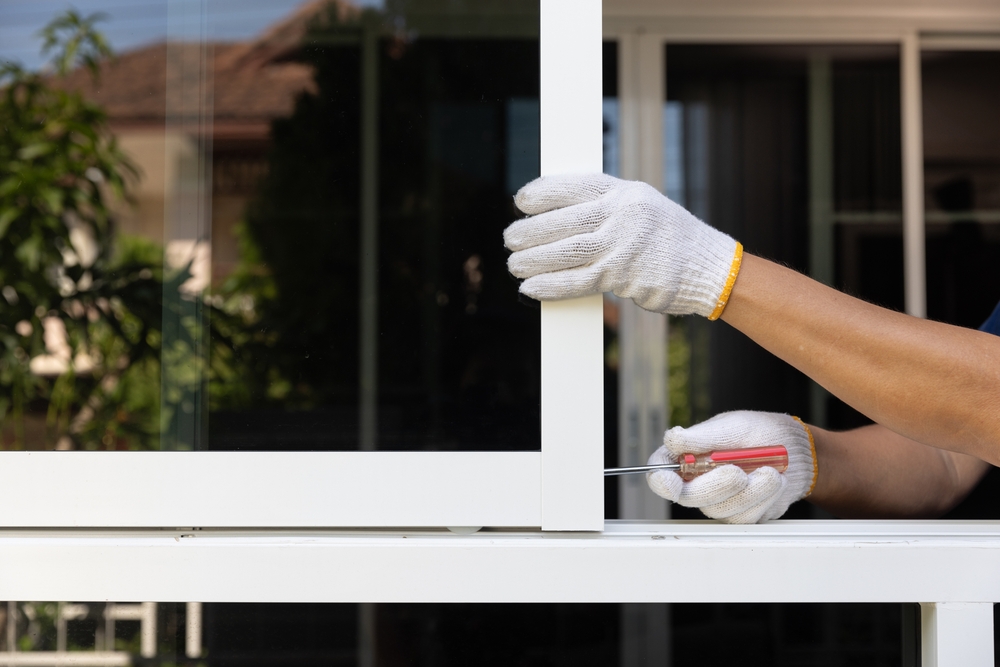
Summer in Pahrump is more than just hot. Long stretches of intense sunshine, triple digit temperatures, and dry desert conditions can make it difficult to keep homes comfortable without driving up cooling costs. If your windows allow too much heat inside, your air conditioner has to work harder every day.
Quick Answer
Low-E glass is a smart investment for homes and businesses in Pahrump because it reflects heat while still allowing natural light to enter. This specialized glass coating helps reduce indoor heat gain, improves energy efficiency, protects interior furnishings from UV damage, and makes indoor spaces more comfortable during Southern Nevada’s long, hot summers.
What Local Readers Should Know
- Low-E glass helps block solar heat while maintaining clear visibility and natural daylight.
- Homes across Pahrump, Nye County, and nearby communities often experience intense afternoon sun that places extra strain on cooling systems.
- UV protection helps reduce fading of flooring, furniture, artwork, and window treatments.
- Replacing outdated glass with modern Low-E glass can improve comfort without replacing every window frame.
- Desert dust, strong sun exposure, and seasonal temperature swings make quality glazing especially valuable for local properties.
Why This Matters Locally
Low-E glass is especially valuable in Pahrump because our desert climate creates unique challenges for homeowners. Summer temperatures regularly climb well above 100 degrees, and sunshine is abundant throughout much of the year. Homes with older single-pane windows or aging dual-pane glass often struggle to maintain comfortable indoor temperatures.
Properties throughout Nye County, including areas near Highway 160, Calvada Meadows, Mountain Falls, and nearby communities like Amargosa Valley and Crystal, experience relentless solar exposure during the summer months. Large west-facing windows can quickly turn living spaces into uncomfortable hot spots during the afternoon.
At Pahrump Valley Glass, we regularly help homeowners find glass solutions that improve comfort while helping reduce unnecessary heat entering the home.
Local Data and Professional Observation
According to the National Weather Service, Southern Nevada experiences some of the highest annual sunshine totals in the country, with extremely hot summer conditions that place significant cooling demands on residential buildings. These conditions make window performance an important factor in overall home comfort.
From our experience serving local property owners, we often find that older windows become one of the biggest contributors to indoor heat gain. Even homes with functioning air conditioning may struggle if outdated glass allows excessive solar energy to enter throughout the day.
How Low-E Glass Works
Low-E glass works by using a microscopically thin metallic coating that reflects infrared heat while allowing visible light to pass through. This means you still enjoy bright, natural lighting without allowing as much outdoor heat to enter your home.
Unlike tinted glass that darkens rooms, Low-E coatings are designed to remain nearly invisible while improving energy performance. During the summer, the coating reflects much of the sun’s heat away from the glass instead of allowing it into your living space.
Many modern insulated glass units combine Low-E coatings with double-pane construction for even greater energy efficiency.
Local Impact
Low-E glass provides several important benefits for homeowners throughout the Pahrump Valley.
Reduced heat entering the home often leads to more consistent indoor temperatures. Rooms that were previously uncomfortable during the afternoon can remain noticeably cooler.
Cooling systems may also operate more efficiently because they do not have to compensate for as much solar heat entering through windows. While savings vary from home to home, reducing unwanted heat gain can help lower overall energy consumption.
Low-E glass also helps protect interior finishes. Constant UV exposure can gradually fade hardwood flooring, carpeting, furniture, photographs, artwork, and curtains. Limiting UV penetration helps preserve these investments for longer.
Warning Signs Your Windows May Need Low-E Glass
You may benefit from upgrading your window glass if you notice any of the following:
- Certain rooms become extremely hot every afternoon.
- Your air conditioner runs almost constantly during the summer.
- Furniture or flooring shows noticeable fading near windows.
- Glass feels very warm to the touch on sunny days.
- You experience glare that makes rooms uncomfortable.
- Older single-pane windows are still installed.
- Existing insulated glass has failed or developed condensation between panes.
When to Call a Professional
A professional evaluation is recommended if you notice excessive indoor heat despite a properly functioning air conditioning system. Window performance can often be assessed without replacing the entire window assembly.
Homeowners can monitor visible signs such as condensation between panes, cracked glass, damaged seals, or noticeable hot spots near windows. Determining whether glass replacement, insulated glass replacement, or complete window replacement is the best solution requires professional inspection.
Common Local Causes of Excessive Heat Gain
Several local conditions contribute to window-related heat problems.
1. Intense Desert Sun
Southern Nevada receives abundant direct sunlight throughout the year, creating significant solar heat gain.
2. Older Window Glass
Many homes still have glass that lacks modern Low-E coatings and updated insulating technology.
3. West-Facing Windows
Afternoon sun can dramatically increase indoor temperatures, particularly during July and August.
4. Failed Insulated Glass Units
Broken seals reduce insulating performance and allow windows to become less efficient over time.
5. Large Picture Windows
Beautiful desert views often come with increased solar exposure if the glass is outdated.
Prevention and Maintenance
Maintaining efficient windows starts with regular inspections.
Keep window tracks clean so windows close properly. Check weatherstripping for wear and replace damaged seals as needed. Inspect insulated glass for fogging or moisture between panes.
If your windows are structurally sound but the glass no longer performs efficiently, replacing only the glass may provide an effective upgrade without replacing the entire window.
Scheduling inspections before the hottest months of the year allows improvements to be completed before peak summer temperatures arrive.
What Results Can You Expect?
Homeowners who upgrade to Low-E glass often notice:
- Improved indoor comfort.
- Reduced hot spots near windows.
- Better protection from UV damage.
- Increased energy efficiency.
- Clear visibility without heavily tinted glass.
- Improved overall window performance.
Actual energy savings will vary depending on window size, orientation, insulation, and the condition of the existing windows.
Common Mistakes
Mistake: Assuming all window glass performs the same.
Consequence: Older glass may allow significantly more heat into the home.
Better Approach: Have your current glass evaluated before deciding whether replacement is worthwhile.
Mistake: Waiting until windows fail completely.
Consequence: Higher cooling costs and greater indoor discomfort may continue for years.
Better Approach: Upgrade aging glass before performance declines further.
Mistake: Focusing only on the air conditioner.
Consequence: Cooling equipment cannot fully compensate for excessive heat entering through inefficient windows.
Better Approach: Improve both your cooling system and your home’s building envelope.
Common Local Scenario
A homeowner in the Pahrump area notices that the living room becomes uncomfortably warm every afternoon despite the air conditioner running continuously. After evaluating the windows, they discover older insulated glass without modern Low-E technology. Replacing the glass improves comfort, reduces glare, and helps the cooling system maintain more consistent indoor temperatures during the hottest part of the day.
Related Service Solutions
Low-E glass can be incorporated into several residential glass services, including:
- Insulated glass replacement
- Window glass replacement
- Patio door glass replacement
- Custom residential glass
- Energy-efficient glass upgrades
Choosing the appropriate solution depends on the condition of the existing windows and the homeowner’s goals.
Comparing Your Options
| Option | Best For | Benefits |
|---|---|---|
| Keep Existing Glass | Windows already performing efficiently | No immediate investment |
| Replace Glass Only | Good frames with outdated glass | Improved efficiency while keeping existing windows |
| Replace Entire Window | Damaged or failing window systems | Complete performance upgrade but higher cost |
Service Areas
We proudly serve homeowners throughout Pahrump, Nye County, and nearby communities including Amargosa Valley, Crystal, and surrounding Southern Nevada areas. Our team understands the unique demands that desert heat places on residential glass.
The Cost of Ignoring Inefficient Windows
Ignoring outdated window glass can lead to higher cooling costs, increased wear on HVAC equipment, reduced indoor comfort, and continued UV damage to valuable interior furnishings. Addressing inefficient glass before it fails completely can help improve comfort throughout the hottest months.
Frequently Asked Questions
Does Low-E glass really make a difference in Pahrump?
Yes. Low-E glass is specifically designed to reduce solar heat gain, making it particularly effective in Pahrump’s hot desert climate where intense sunshine is common throughout much of the year.
Can I replace just the glass instead of the entire window?
Often, yes. If the window frame remains in good condition, replacing only the insulated glass unit may provide improved performance while avoiding a complete window replacement.
Does Low-E glass make rooms darker?
No. Most Low-E coatings remain nearly invisible and allow plenty of natural daylight to enter while reflecting unwanted heat.
Is Low-E glass helpful during the winter in Nye County?
Yes. Low-E coatings also help reduce heat transfer during cooler months by helping retain indoor warmth, making them beneficial throughout the year.
Will Low-E glass help lower my energy bills?
It can. By reducing unwanted solar heat entering the home, cooling systems may operate more efficiently. Actual savings depend on several factors, including the home’s existing windows and insulation.
How do I know if my current windows already have Low-E glass?
A professional inspection can often determine whether your existing windows include Low-E coatings and whether the insulated glass is still performing properly.
Is Low-E glass a good choice for west-facing windows?
Yes. West-facing windows often receive intense afternoon sunlight, making them excellent candidates for Low-E glass upgrades.
How long does Low-E glass last?
Modern Low-E glass is designed to provide long-lasting performance when properly manufactured and installed. Its lifespan depends on factors such as seal integrity, installation quality, and environmental conditions.
Stay Comfortable Through Every Desert Summer
The right glass can make a noticeable difference in how your home feels during Pahrump’s hottest months. Whether you’re replacing damaged insulated glass or upgrading older windows for better efficiency, selecting the right solution can improve comfort for years to come.