

Solar Screens – Heat Reduction
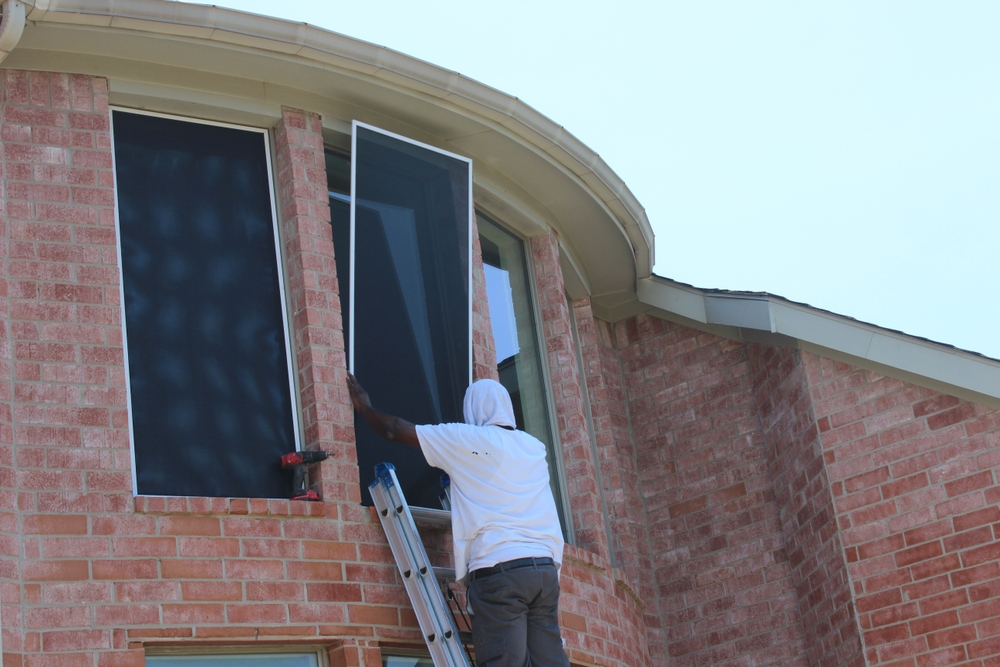
Pahrump summers put windows to the test. With intense sunshine, long stretches of hot weather, and limited natural shade around many properties in the valley, solar heat entering through glass can make rooms noticeably less comfortable and increase the workload on cooling systems.
Solar screens are designed to reduce the amount of solar heat reaching window glass while still allowing light and outward visibility. For Pahrump property owners, they can be a practical way to improve comfort in rooms that receive strong sun without replacing otherwise functional windows.
Quick answer: Solar screens help reduce heat gain by intercepting sunlight before much of that solar energy reaches the window glass. They can be especially useful on west- and south-facing windows exposed to strong Nevada sun. Results vary based on window orientation, existing glass, screen material, shade, and the amount of direct sunlight the opening receives.
What local property owners should know
-
Solar screens work outside the glass, helping reduce solar exposure before it enters the building.
-
West-facing windows can be particularly challenging during hot Pahrump afternoons because they receive direct sun later in the day.
-
Homes with little exterior shade may have more to gain from solar-control improvements than heavily shaded properties.
-
Solar screens can reduce glare as well as heat, which may improve comfort in living rooms, offices, and other frequently used spaces.
-
The right solution depends on the individual window, its orientation, and the property’s comfort goals.
Why Do Solar Screens Matter in Pahrump?
Solar screens matter in Pahrump because strong desert sunlight can create significant heat gain through exposed windows, particularly during the warmer months. Reducing that solar exposure can make sun-facing rooms more comfortable and may reduce some of the cooling demand created by heat entering through the glass.
Pahrump sits in the Mojave Desert, where abundant sunshine, dry conditions, and limited shade are familiar parts of daily life. Properties throughout the Pahrump Valley, including those near Nevada State Route 160 and toward the Spring Mountains, can have windows exposed to direct sun for hours.
The problem can become especially noticeable in rooms with larger glass areas. A window that provides great natural light during cooler months may become a major source of unwanted heat as summer conditions intensify.
Pahrump Valley Glass works with local glass and window needs in this environment. When we evaluate solar screen options, the goal is to consider the actual opening and exposure rather than assume every window needs the same solution.
What Do Local Conditions Tell Us About Window Heat?
Local conditions show that solar exposure should be considered window by window because orientation, shade, glass area, and surrounding structures can substantially change how much heat a room experiences. A west-facing opening with little shade may behave very differently from a similar window protected by a porch or neighboring structure.
For homeowners in the Pahrump Valley, useful observations include when a room becomes uncomfortable, where glare occurs, and which windows receive direct sunlight during the hottest part of the day.
Those are field observations rather than measurements of a particular home’s energy performance. Actual heat reduction depends on the screen product, installation, window construction, and conditions at the property.
How Can Solar Heat Affect a Pahrump Home?
Solar heat can affect a Pahrump home by creating hot rooms, uncomfortable areas near windows, glare, and uneven temperatures from one side of the house to another. These effects can be especially noticeable when direct afternoon sunlight strikes large areas of exposed glass.
A room facing west may feel comfortable earlier in the day and considerably warmer later in the afternoon. That temperature difference can encourage occupants to lower the thermostat even when other rooms already feel cool.
Strong sunlight can also create glare on televisions and computer screens. For home offices and living spaces, controlling sunlight may therefore improve usability as well as temperature comfort.
What Are the Signs That Solar Screens May Help?
Solar screens may be worth considering when discomfort or glare consistently corresponds with direct sunlight entering particular windows. The clearest clues usually appear during sunny afternoons rather than during cloudy periods or after sunset.
Watch for these signs:
-
Rooms become noticeably hotter when direct sunlight reaches the windows.
-
West-facing rooms are uncomfortable during late afternoons.
-
Strong glare makes televisions or computer screens difficult to view.
-
Areas immediately beside windows feel much warmer than the rest of the room.
-
Blinds or curtains remain closed for much of the summer to control sunlight.
-
The cooling system is running while sun-exposed rooms still feel warmer.
-
Large windows receive hours of direct desert sun with little exterior shade.
These signs do not automatically mean the windows themselves are defective. They may simply indicate that solar exposure is contributing to the comfort problem.
When Should You Call a Professional About Solar Screens?
A professional evaluation makes sense when you want to determine which windows are good candidates for solar screens, need accurate sizing, or are deciding between solar screens and other glass or window solutions. An evaluation can also help distinguish solar heat gain from problems involving damaged glass or window components.
Homeowners can safely start by observing their property. Note which windows receive morning and afternoon sun, which rooms become hottest, and whether exterior features already provide shade.
Professional help becomes more useful when it is time to select materials, confirm measurements, evaluate existing windows, or install screens properly. If glass is cracked, damaged, or showing other problems, that issue should be evaluated separately rather than treated as a solar-screen problem.
What Commonly Causes Excessive Window Heat in the Pahrump Valley?
Excessive window heat in the Pahrump Valley commonly results from direct desert sun, window orientation, large areas of exposed glass, and limited exterior shade. Several of these conditions often occur together, making certain rooms much more affected than others.
1. West-facing exposure: Afternoon sun can strike windows directly when outdoor conditions are already hot.
2. South-facing exposure: Depending on season and surrounding shade, these windows can receive substantial sunlight.
3. Limited landscaping or structural shade: Open desert lots may leave windows exposed for extended periods.
4. Large glass areas: More exposed glass creates a larger surface through which solar energy can affect the interior.
5. Existing window characteristics: Different glass and window assemblies manage solar energy differently, so the existing window should be considered before choosing an improvement.
How Can Homeowners Manage Solar Heat?
Homeowners can manage solar heat by identifying their highest-exposure windows first and combining appropriate exterior solar control with sensible interior shading and routine window maintenance. In Pahrump, prioritizing the openings that receive sustained afternoon sun can be more practical than treating every window identically.
Walk around the property at different times on a sunny day. Notice where direct sun hits the glass and where roof overhangs, patios, trees, or neighboring structures provide shade.
Keep screens and windows reasonably clean so you can spot damage or deterioration. Check screen frames periodically for looseness or visible wear, particularly after windy or dusty conditions common around the valley.
Interior blinds and curtains can help with glare and privacy, but solar screens work from the exterior side of the window. Homeowners deciding between different approaches should consider comfort, daylight, visibility, appearance, and the condition of the existing window.
What Results Can You Expect From Solar Screens?
Solar screens can reasonably be expected to reduce solar exposure through treated windows and improve comfort in rooms affected by direct sunlight. They may also reduce glare, although the amount of improvement varies with the screen material, window orientation, existing glass, and surrounding shade.
They should not be treated as a guaranteed solution to every cooling problem. Poor insulation, air leakage, HVAC issues, or other building conditions can also cause uncomfortable rooms.
A properly selected solar-control solution addresses one specific part of the problem: sunlight reaching the window.
What Mistakes Should Pahrump Homeowners Avoid?
Pahrump homeowners should avoid assuming that every hot room needs the same solar-screen solution. Identifying the source and direction of the heat first makes it easier to focus improvements where they are likely to be most useful.
Mistake: Treating every window equally.
Consequence: Money may be spent on openings that receive relatively little direct sun.
Better approach: Prioritize the windows with the strongest exposure.
Mistake: Ignoring orientation.
Consequence: The windows causing late-day discomfort may not receive enough attention.
Better approach: Observe the home during morning and afternoon hours.
Mistake: Assuming screens solve every temperature problem.
Consequence: Other causes of poor comfort can go unaddressed.
Better approach: Consider windows alongside insulation, shading, and cooling-system performance.
Mistake: Choosing solely by appearance.
Consequence: The selected option may not match the desired balance of shade, visibility, and daylight.
Better approach: Discuss performance and comfort goals before choosing a screen.
What Is a Common Solar-Heat Scenario in Pahrump?
A common local scenario is a home where one or two west-facing rooms become uncomfortable late in the day while the rest of the house remains relatively comfortable. Direct sunlight reaches the glass for several hours, creating glare and noticeable warmth near the windows.
In a situation like this, the first step is identifying whether solar exposure closely tracks the discomfort. If it does, exterior solar screens may be one option worth evaluating for those specific openings.
This is a common scenario, not a description of a particular customer or project.
Which Services Can Address Solar Heat Through Windows?
Services that address solar heat should focus on the specific window, its existing condition, and the property’s goals for comfort, light, and visibility. Solar screens may be suitable when the primary concern is direct sunlight, while damaged or problematic glass may require a different window or glass service.
We can help property owners evaluate their windows and explore appropriate options based on the openings involved.
How Do Solar Screens Compare With Other Options?
Solar screens differ from interior shades because they intercept sunlight on the exterior side of the glass, while curtains and blinds primarily manage light after it has reached the window area. Window or glass upgrades can address additional performance concerns but involve a different scope of work.
Interior coverings remain useful for privacy and adjustable light control. Exterior shading from awnings, porches, or landscaping can also be effective where the property allows it.
For a Pahrump homeowner primarily concerned with intense sunlight through otherwise serviceable windows, solar screens can offer a focused solution without automatically moving to full window replacement.
Where Are Solar Screen Services Relevant Locally?
Solar screen solutions can be relevant throughout Pahrump and surrounding parts of the Pahrump Valley where homes and businesses have windows exposed to strong desert sunlight. Properties toward Charleston Peak and the Spring Mountains may have different shading conditions than more open areas of Nye County.
The best approach is based on the individual property rather than the ZIP code alone.
What Can Happen If Excessive Solar Heat Is Ignored?
Ignoring excessive solar heat can leave rooms uncomfortable, increase glare, and cause occupants to compensate by adjusting the thermostat or keeping interior coverings closed. In the desert climate around Pahrump, those compromises can continue through a substantial portion of the warmer season.
The appropriate response does not need to be complicated. Start by identifying the windows most closely associated with the problem, then determine whether exterior solar control is a practical improvement.
FAQ
Do solar screens reduce heat in Pahrump homes?
Yes, solar screens can reduce solar heat reaching the glass on windows where they are installed. They are particularly relevant for Pahrump homes with strong direct sun exposure. The actual improvement depends on factors such as screen material, window orientation, existing glass, shading, and the size of the exposed opening.
Which windows benefit most from solar screens in Pahrump?
Windows receiving substantial direct sunlight are generally the strongest candidates for solar screens. In Pahrump, west-facing windows deserve particular attention because afternoon sunlight can coincide with high outdoor temperatures. South-facing openings may also benefit depending on seasonal sun angles, roof overhangs, landscaping, and other sources of shade.
Can solar screens help with Nevada desert glare?
Yes, solar screens can help reduce glare caused by intense sunlight entering through windows. This can make living rooms, bedrooms, and home offices more comfortable during bright Nevada days. The amount of glare reduction varies by screen material, so visibility and desired light levels should be considered when selecting an option.
Should every window on a Pahrump home get a solar screen?
No, every window does not necessarily need a solar screen. Pahrump homeowners can first identify which openings receive the strongest direct sunlight and which rooms experience the most discomfort. Windows already shaded by patios, overhangs, landscaping, or nearby structures may have different needs from fully exposed windows.
Are solar screens useful for businesses in the Pahrump Valley?
Yes, solar screens may be useful for Pahrump Valley businesses where direct sunlight creates heat or glare through exposed windows. Offices, waiting areas, and other occupied spaces can be affected by intense desert sun. Suitability depends on the building, window configuration, desired visibility, appearance, and existing glass.
Do solar screens replace damaged windows?
No, solar screens are not a substitute for repairing damaged glass or addressing problems with the window itself. If a window is cracked or has another visible defect, that condition should be evaluated separately. Solar screens primarily address solar exposure rather than structural or mechanical window problems.
Can solar screens lower cooling costs in Nye County?
Solar screens can reduce one source of cooling demand by limiting solar heat through treated windows, but specific energy-cost savings should not be assumed without evaluating the property. Cooling costs in Nye County can also be affected by insulation, HVAC efficiency, thermostat settings, air leakage, building design, and electricity usage patterns.
When is a good time to consider solar screens in Pahrump?
Solar screens can be considered whenever direct sunlight is causing recurring heat or glare problems, ideally before those problems become most noticeable during hotter weather. Observing rooms during sunny afternoons can help Pahrump property owners identify priority windows and decide where professional measurements or recommendations would be useful.
Improve Comfort Where Desert Sun Hits Hardest
Solar screens offer Pahrump property owners a targeted way to address heat and glare from exposed windows without assuming every opening requires the same treatment. We can help evaluate your windows and discuss solar screen options suited to your property and its sun exposure.