

Stop Wasting Money: 5 Signs It’s Time for Energy-Efficient Window Replacement
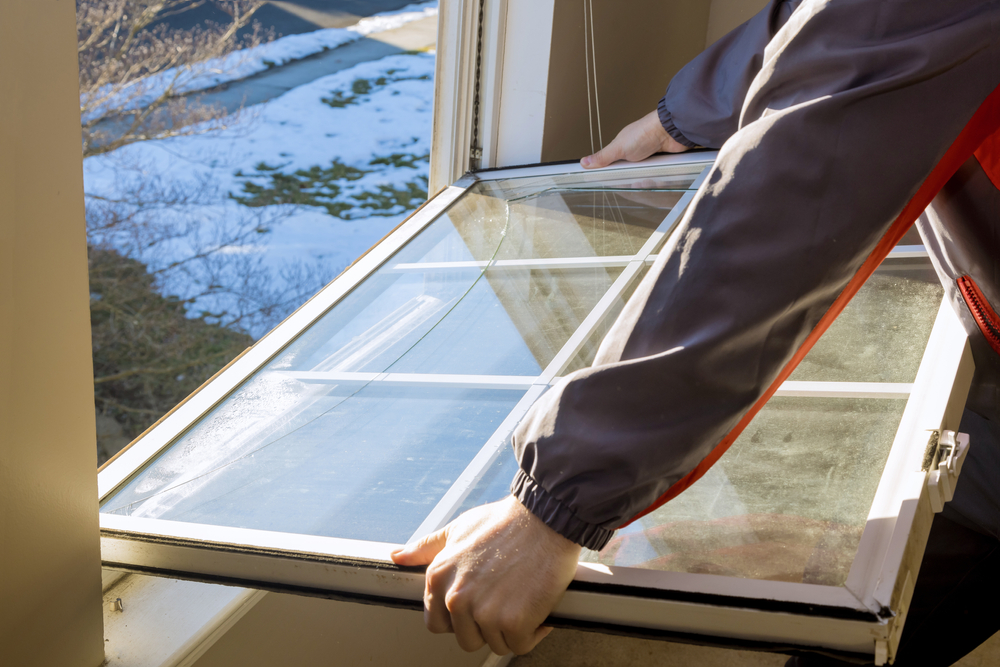
Windows are more than just a view to the outside world; they play a critical role in the energy efficiency and comfort of your home. If you’ve been noticing a spike in your utility bills or dealing with uncomfortable indoor temperatures, it may be time to consider upgrading to energy-efficient windows. Many homeowners hesitate due to the perceived upfront investment, but the cost of energy-efficient window replacement vs savings often favors long-term benefits. Understanding when it’s time to make the switch is key to avoiding unnecessary expenses and enhancing the livability of your home. Below, we explore five unmistakable signs that it’s time to replace your windows with energy-efficient alternatives.
Your Energy Bills Keep Climbing Without Explanation
If you’re noticing steadily increasing energy bills with no significant changes in your usage, your windows may be the culprit. Older windows, especially single-pane models, are notorious for allowing heat to escape during the winter and cool air to leak out during the summer. This forces your HVAC system to work overtime, which not only drives up your utility bills but also wears down your heating and cooling systems faster.
Drafty or poorly insulated windows can account for up to 30% of residential heating and cooling energy use. Replacing them with double- or triple-pane energy-efficient models that incorporate low-emissivity (low-E) coatings and gas fills like argon or krypton can significantly reduce heat transfer. Over time, this leads to notable cost savings on energy bills. When comparing the cost of energy-efficient window replacement vs savings, homeowners typically recoup their investment within a few years through reduced utility expenses and lower maintenance costs on HVAC systems.
You Feel Drafts or Notice Temperature Fluctuations
One of the most noticeable signs that your windows are no longer performing well is the presence of drafts and uneven indoor temperatures. If you frequently find yourself adjusting the thermostat in an attempt to regulate the climate from room to room, it could be due to aging windows that no longer provide an effective barrier against outdoor elements.
Energy-efficient windows are designed with insulated frames, multiple panes, and specialized coatings that help maintain a consistent indoor climate. They eliminate hot or cold spots and make your home more comfortable year-round. Investing in replacement windows tailored for efficiency can stabilize your indoor environment and reduce the frequency of HVAC cycling, offering further cost reductions over time.
When evaluating the cost of energy-efficient window replacement vs savings, this improved comfort and climate control become a major benefit. You not only save on heating and cooling costs but also enjoy a more livable, consistent environment inside your home.
Your Windows Are Visibly Damaged or Difficult to Operate
If your windows are cracked, warped, or don’t open and close easily, these are clear signs of deterioration that go beyond aesthetics. Damaged frames or seals can allow moisture, air, and pests to enter your home. Fogging between panes is another red flag, indicating that the insulating gas has leaked out, rendering your double-pane window as ineffective as a single-pane.
When windows become difficult to operate, it often means that the structural integrity has been compromised. This can lead to safety hazards, moisture problems, and even mold growth if left unaddressed. Energy-efficient replacement windows are not just about savings and performance; they also offer modern improvements in design, safety, and durability.
Though upfront replacement costs can seem high, the cost of energy-efficient window replacement vs savings analysis shifts favorably when you consider reduced maintenance, fewer repairs, and increased property value. New windows can also enhance the curb appeal of your home, making it more attractive to potential buyers should you decide to sell.
Your Home Is Noisy Due to Outside Sounds
Another subtle but frustrating sign that your windows need replacing is an increase in external noise. If you’re constantly disturbed by traffic, barking dogs, or neighborhood chatter, your current windows may not be doing a good job of blocking sound. This is especially common in older homes with single-pane glass or poorly sealed frames.
Modern energy-efficient windows come with sound-dampening features as a natural byproduct of their insulating materials. Dual- or triple-pane glass, laminated layers, and tightly sealed frames can significantly reduce noise infiltration. This not only makes your home quieter but also contributes to a more restful and stress-free living environment.
While this may seem like a luxury rather than a necessity, it’s worth factoring into the overall equation when comparing the cost of energy-efficient window replacement vs savings. A quieter home can improve quality of life, reduce stress, and even enhance productivity if you work remotely.
Your Home Fails to Maintain a Comfortable Indoor Humidity Level
Inconsistent humidity levels inside your home may be the result of poor window insulation. When outside air infiltrates through old or leaky windows, it can cause your indoor humidity to fluctuate. In the summer, this might make your home feel sticky and uncomfortable, while in the winter, it could lead to excessively dry air that irritates your skin and respiratory system.
Energy-efficient windows help maintain optimal humidity by forming a better barrier against the outside environment. They prevent unwanted air exchange and help your HVAC system maintain a stable, comfortable humidity level inside. This also reduces the risk of condensation and mold growth near windows, which is often a problem with outdated units.
As part of the broader conversation about the cost of energy-efficient window replacement vs savings, improved indoor air quality and health are indirect yet important factors. Not only can you avoid costly medical issues or mold remediation, but you also enjoy a more comfortable and healthy living space.
Conclusion
Replacing old windows with energy-efficient ones is a smart investment for homeowners looking to reduce expenses and improve comfort. While the initial cost may seem significant, the long-term advantages often far outweigh the expense. From lower utility bills and fewer HVAC repairs to improved comfort, noise reduction, and healthier air quality, the benefits are both financial and functional.
When evaluating the cost of energy-efficient window replacement vs savings, it’s important to consider not just the immediate return on investment, but also the cumulative gains over time. Homeowners who make the switch often find that they not only save money year after year but also enhance their home’s value and livability.
If you’re experiencing any of the signs discussed above, it’s time to stop wasting money and start planning for a window upgrade. Energy-efficient window replacement isn’t just a home improvement project; it’s a strategic move toward a more sustainable, comfortable, and financially sound future.