

Silent Killer: Identifying and Fixing Dry Rot Around Las Vegas Window Frames
Dry rot is one of those home maintenance issues that can quietly and relentlessly damage a property without immediate notice. Particularly in dry desert climates like Las Vegas, homeowners may assume their homes are immune to moisture-related issues. However, dry rot, ironically caused by moisture, is not confined to humid regions. It can occur even in places like Las Vegas, especially around vulnerable areas such as window frames. If left unchecked, this silent killer can compromise the structural integrity of a home. Understanding what dry rot is, how it manifests, and how to fix it is essential for any homeowner in the region.
Understanding the Causes of Dry Rot in Desert Climates
Dry rot, despite its name, actually originates from prolonged moisture exposure. It is a form of wood decay triggered by fungal growth. In Las Vegas, where the climate is predominantly dry and arid, many homeowners might be puzzled to find it developing around their window frames. The culprit is often not the climate, but faulty construction, plumbing leaks, condensation, or improper sealing around windows.
When moisture seeps into the wooden components of a window frame, it creates a hospitable environment for the fungus Serpula lacrymans. This fungus feeds on the cellulose in the wood, breaking down the structure and weakening its integrity. Ironically, even a brief but repeated exposure to moisture — such as from sprinklers hitting windows, rain during monsoon season, or poorly ventilated interiors — can be enough to initiate dry rot.
Window frames are particularly vulnerable due to their exposure to the elements. If the paint or sealant begins to crack, it opens the door for water intrusion. Once the fungus takes hold, it spreads invisibly, often behind stucco, drywall, or paint, remaining undetected until significant damage has occurred.
Spotting the Signs of Dry Rot Around Windows
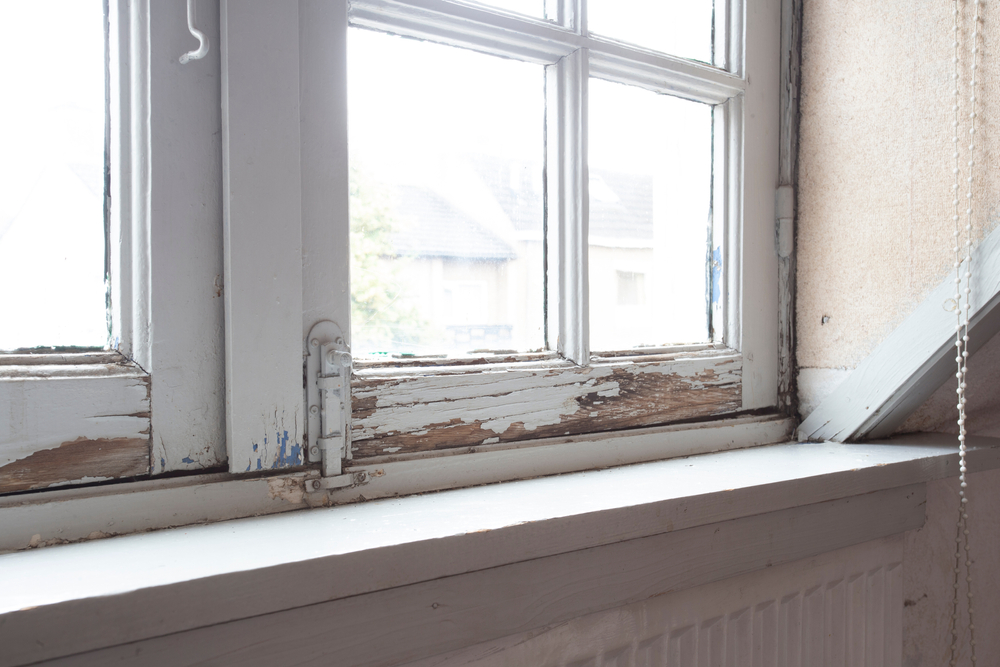
Identifying dry rot early can be a challenge, but catching it before it spreads is crucial. The signs are subtle at first but become increasingly visible as the wood deteriorates. Around window frames, dry rot often starts with discoloration or the appearance of small cracks in the paint. You may notice that the wood seems softer than usual, or perhaps you detect a musty odor, especially after rain or during humid conditions.
In some cases, the affected wood may feel spongy when pressed, even if it still looks intact. Small bubbles or blisters under the paint can indicate that moisture has become trapped underneath. As the rot progresses, the wood may crumble easily, develop deep cracks, or show signs of fungal fruiting bodies — often mistaken for harmless mold.
In Las Vegas, where dust and sun exposure already age exterior materials quickly, it’s easy to overlook these changes. That’s why regular inspections of window frames are vital. Using a small screwdriver or awl, lightly probe the wood around your windows once or twice a year to check for softness. If it gives way easily, it’s a likely sign that dry rot is taking hold.
The Process of Repairing Dry Rot Around Window Frames
Repairing dry rot around window frames in Las Vegas requires a careful and systematic approach. The first step is confirming the extent of the damage. A qualified contractor or home inspector can assess whether the rot is localized or if it has spread into the surrounding wall structure. The sooner the issue is identified, the more likely it is that the repair will be relatively simple and less expensive.
Once the infected area is isolated, the damaged wood must be removed entirely. Cutting out all affected material is essential because even a small remaining pocket of fungus can lead to a resurgence. After removal, the area must be dried thoroughly to eliminate any lingering moisture. This is especially important in Las Vegas homes, where evaporative cooling systems or poorly ventilated interiors can create pockets of humidity.
Next, the missing wood is replaced with new, treated lumber or a specialized wood filler for smaller sections. The new material should be primed and sealed properly to prevent future moisture intrusion. A high-quality exterior-grade caulk should be applied around seams and joints to ensure no water can penetrate.
In many cases, this repair process is paired with an upgrade of flashing and weatherproofing materials around the window. Homeowners often find that poor original installation is to blame for repeated dry rot issues. Addressing not just the symptoms but also the cause is essential for long-term protection.
Preventative Measures: Keeping Dry Rot at Bay in Las Vegas Homes
Prevention is the most effective tool in the fight against dry rot. In a desert city like Las Vegas, where water is precious and rainfall infrequent, the risk might seem low. However, localized sources of moisture — such as sprinklers, leaky air conditioners, or improperly sealed windows — present real threats. Homeowners should ensure that irrigation systems are aimed away from their home’s exterior and that their HVAC systems are regularly serviced to avoid condensation build-up.
Regular painting and sealing of exterior wood surfaces is also critical. UV radiation in Las Vegas is intense, which can cause paint and caulking to degrade quickly. A good maintenance schedule would include repainting wood trim and frames every 3 to 5 years with high-quality, UV-resistant paints.
Ventilation also plays a key role. Make sure attics and wall cavities are well-ventilated to reduce moisture build-up. Installing exhaust fans in bathrooms and kitchens can help manage interior humidity. If you’re planning to install new windows or remodel parts of your home, invest in professional installation with proper flashing and waterproofing details.
Finally, consider having your home inspected annually, especially if it’s older or has a history of moisture issues. Early detection of problems like dry rot can save thousands of dollars and preserve the value of your property.
Why Las Vegas Homeowners Should Take Dry Rot Seriously
Dry rot might not be as visible or dramatic as a roof leak or burst pipe, but it can be just as destructive. In Las Vegas, many homes feature stucco exteriors and decorative wooden accents around windows, which can disguise hidden damage. Without proactive inspection and care, dry rot can quietly undermine a home’s structure, leading to costly repairs, energy inefficiency, and even pest infestations.
Homeowners often underestimate how quickly rot can spread once it starts. What begins as a minor issue around a single window frame can, within a few months, compromise nearby siding, framing, or even interior drywall. The arid Las Vegas climate doesn’t always protect against these risks — in fact, the assumption of safety can make homeowners less vigilant.
By staying aware of the signs, scheduling regular inspections, and investing in quality repairs, Las Vegas residents can protect their homes from the damage caused by dry rot. More importantly, they can ensure that small issues don’t turn into structural disasters.
Conclusion
Dry rot may seem like an improbable threat in a city known for its scorching temperatures and low humidity, but it thrives wherever moisture and wood meet. Around Las Vegas window frames, this silent destroyer can hide in plain sight, slowly eroding the strength and beauty of your home. Fortunately, with a solid understanding of how dry rot forms, how to identify it, and what steps to take for repairing dry rot around window frames, Las Vegas homeowners can take action before the problem spreads.
Regular maintenance, vigilant inspections, and timely repairs are the most effective defenses. Whether you’re dealing with a small area of damage or undertaking a full window frame restoration, addressing dry rot promptly protects your home’s value and integrity. Don’t let this quiet intruder compromise your investment — keep your windows, and your peace of mind, intact.